Cast & CrewReleased
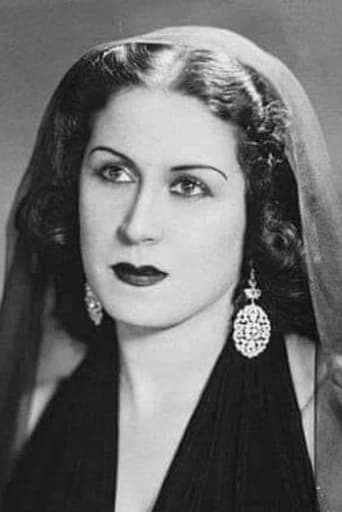
Leila Mourad
Get notified when this releases — sign up freeKnown for
Actor
From
Egypt
Born
1918-02-17
Overview
Leila Mourad or Layla Morad (Arabic: ليلى مراد; February 17, 1918 – November 21, 1995) was an Egyptian singer and actress, and one of the most prominent superstars in Egypt and the entire Arab world in her era. Born Lilian Zaki Ibrahim Mourad to an Egyptian Jewish family, known for their patriotism in 1918 in the El Daher District in Cairo, she later changed her name to Leila Mourad as a stage-name. She made her first stage appearance, aged nine, at the Saalat Badi'a, one of Cairo's most successful Music Halls. The theatre had been founded in 1926 by the actress and dancer Badia Masabni, who became Mourad's patron. Her first film appearance, aged fifteen, was in the 1932 " Al-Dahaaya " (The Victims) which had originally been made as a silent film. Her song, The Day of Departure, was added as part of the transformation of the production into a "talkie".
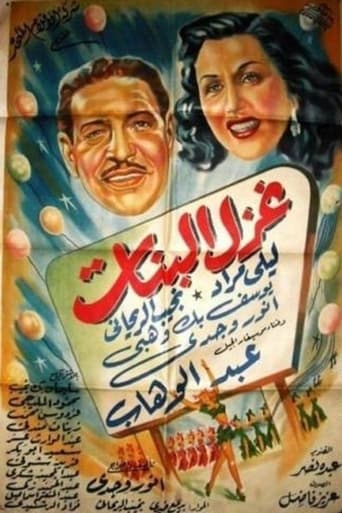
She was trained by her father and Dawood Hosni, who was also Jewish. Hosni had composed the first operetta in the Arabic language, and he composed two songs for Leila: Hairana Leh Bein El-Eloub (Why can't you choose from among lovers), and Howa el dala'a ya'ani khessam (Does daliance mean avoiding me?). Further success came when the prominent Egyptian composer Mohammed Abdel Wahab heard her singing and gave her a role in his film Yahia el Hob (Viva Love!) in 1938. In the six years following the success of Yahia el Hob she made five best selling films with director Togo Mizrahi, becoming Egypt's top actress. In 1945 she made Layla Bint al-Fuqara ("Layla, daughter of the poor") directed by Anwar Wagdi whom she married shortly after. She went on to make a further 20 films of which the most outstanding is Ghazel el-Banat ("The Flirtation of Girls"), also directed and co-starring Wagdi. It also featured Nagib al-Rihani and Abdel Wahab in their last appearances on film.
In 1953, she was selected as the official singer of the Egyptian revolution. Shortly thereafter, a rumor that Mourad had visited Israel and donated money to its military raised suspicions of spying and caused some Arab radio stations to boycott her. She denied these allegations, no proof was found; and the charges against the singer were eventually dropped. Her decision to retire, aged 38, came with the failure of her last film, Al Habib al Majhoul (The Unknown Lover), the banning of her song, With Unity, Order, and Work, praising the Free Officers 1952 revolution and the outbreak of the 1956 war. Despite the immense popularity of her films, her singing career was over-shadowed by Um Kulthum who dominated Egypt's musical landscape. Leila Mourad made a few brief reappearances during Ramadan in 1970, when she was scheduled to read Salah Jaheen's "Fawazeer Ramadan" (Ramadan' puzzles), a daily traditional radio program held during the Holy month of Ramadan.
Leila Mourad died in a Cairo hospital in 1995.
Known For
Film
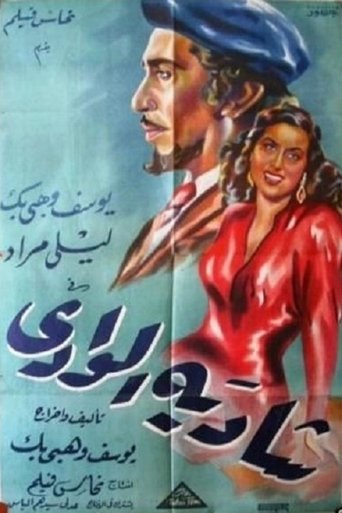
Singer of the Valley
Apr 7, 1947
Film
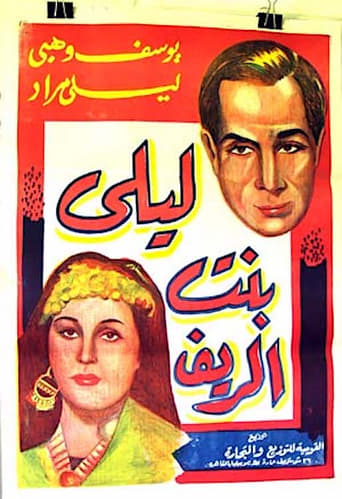
Layla the Country Girl
Feb 1, 1941
Film
The Flirtation of Girls
Sep 22, 1949
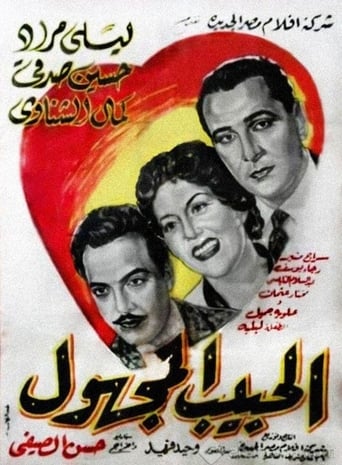
Film
The Unknown Beloved
May 23, 1955
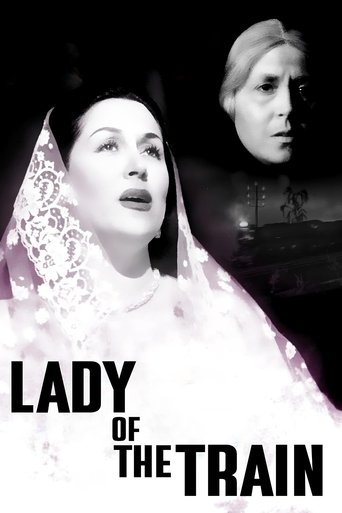
Film
Lady of The Train
Aug 28, 1952
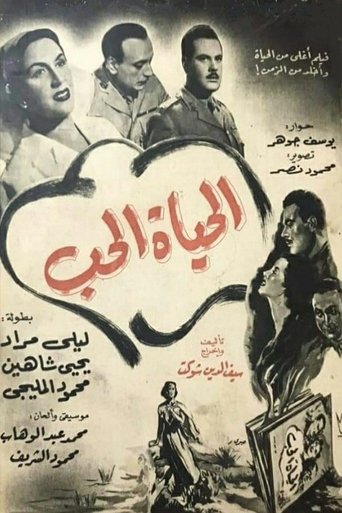
Film
Life is Love
Apr 5, 1954
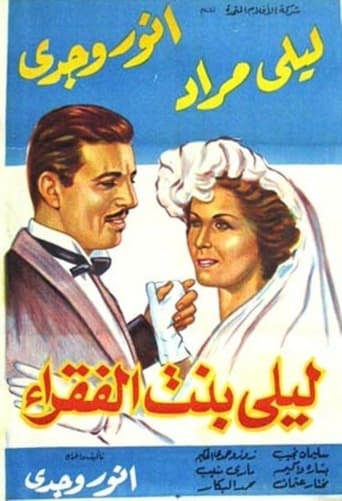
Film
Leila, Daughter of the Poor
May 11, 1945
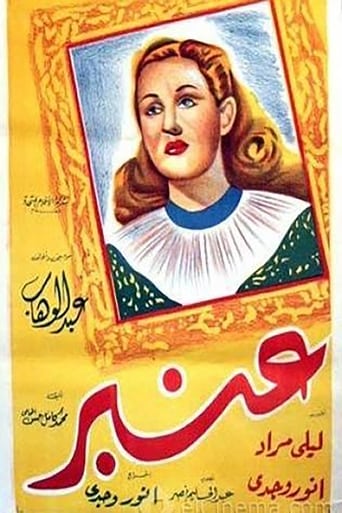
Film
Anbar
Nov 1, 1948
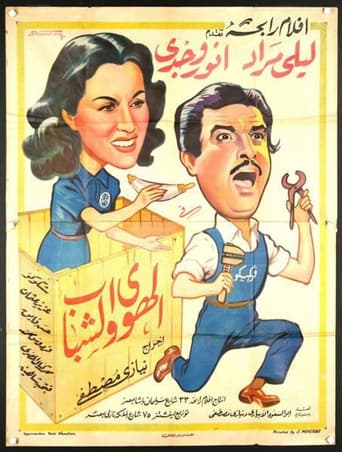
Film
Love and Youth
Jan 5, 1948
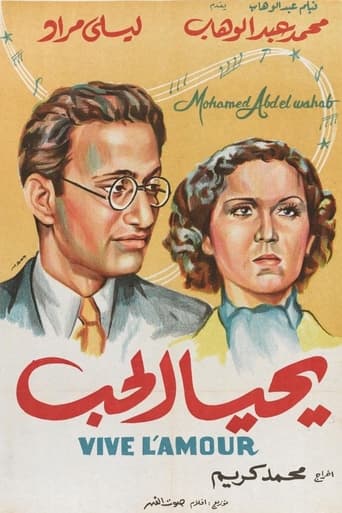
Film
Long Live Love!
Jan 24, 1938
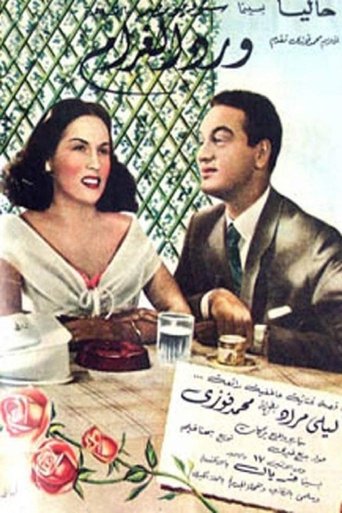
Film
Flowers of Love
Dec 10, 1951
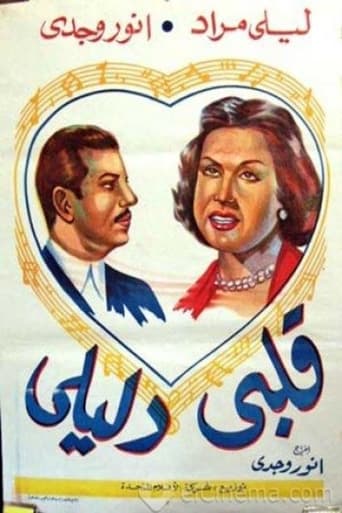
Film
My Heart is My Guide
Oct 6, 1947
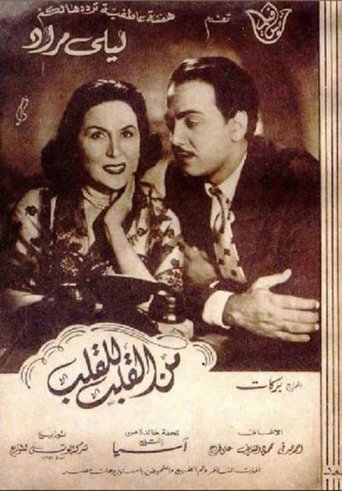
Film
Men Al-Qalb Lel Qalb
Feb 26, 1952
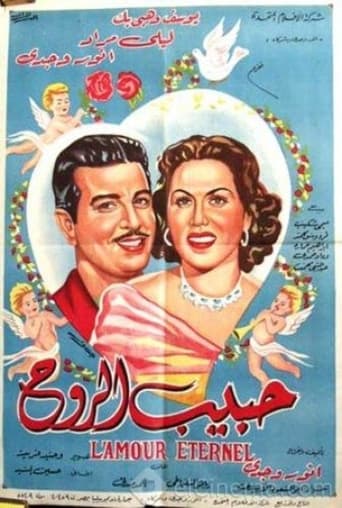
Film
Habib el-Rooh
Oct 8, 1951
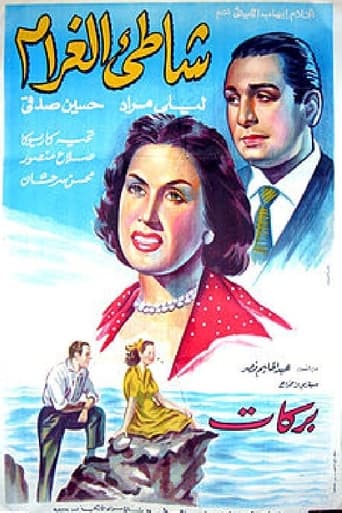
Film
Shore of Love
Feb 20, 1950
Data provided by TMDB. Not endorsed or certified by TMDB.