Cast & CrewReleased
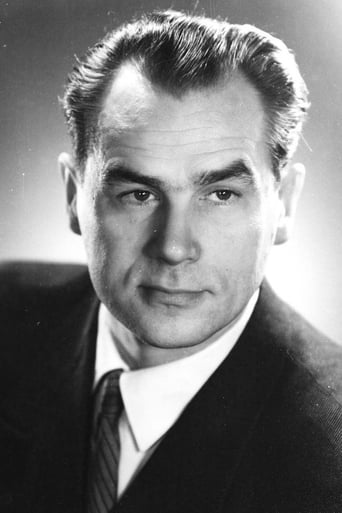
Georg Ots
Get notified when this releases — sign up freeKnown for
Actor
From
Petrograd, Russian Empire [now St. Petersburg, Russia]
Born
1920-01-21
Overview
Georg Ots (March 21, 1920 – September 5, 1975) was an Estonian singer, actor and People's Artist of the USSR (1960).
Before studying singing with the Estonian baritone Aleksander Rahnel in Yaroslavl in the rear of the Eastern Front, where a cultural center for evacuated Estonians had been established, Ots was a young Navy Officer who had escaped a sinking ship and was taken prisoner in Russia. He was released a year later, and on his return home, he auditioned for a place at the conservatory in Tallinn. At the same time, he became a member of the chorus at the Estonia Theatre in Tallinn. His solo opera debut was a small part in Eugene Onegin (1944). He soon became one of the most revered singers in Estonia and Finland and was also admired and beloved across Russia.
Ots often performed in many major opera houses of the former Soviet Union, being especially cherished at the Bolshoi Theatre in Moscow. His repertoire included the roles of Eugene Onegin, Yeletzky, Escamillo, Renato, Don Giovanni, Papageno, Rigoletto, Iago, Porgy, Figaro, and the title role in Kabalevsky's Colas Breugnon. Ots sang in Estonian, Russian, Finnish, German, Italian and French, and was fluent in all six languages. Ots's most famous role, which he is often identified with, was the leading character in Anton Rubinstein's opera The Demon. The libretto of The Demon is based on Mikhail Lermontov's famous epic poem, once banned because of its plotline which involves a misalliance between a dark angel and a Georgian princess. Georg Ots' interpretation of the angel mesmerized audiences and received rapturous reviews, making Lermontov's controversial poem even more famous.
The popularity of Ots culminated in 1958 with the release of the Lenfilm Studios musical Soviet film Mister X, based on Imre Kalman's operetta Die Zirkusprinzessin. Ots also played a leading role in Between Three Plagues, a film based on a historical novel by Jaan Kross which illuminates the life of Balthasar Russow, a distinguished Estonian writer and chronicler. Ots loved to perform songs by Mussorgsky and Tchaikovsky, and several other Russian composers, and was also a devoted interpreter of Estonian folk songs. His voice could be heard on radio and TV all over the Soviet Union, and all his records sold out almost immediately.
He also performed successfully in various European countries. After his death in 1975 caused by a brain tumor, the Tallinn Music School was named after him (now Georg Otsa nimeline Tallinna Muusikakool). In 1997, Russian scientists gave his name to a newly discovered minor planet, 3738 Ots (1977 QA1). He was married three times (to Margot Ots (née Laane, since 1950 Heinsoo), Asta Ots (Saar), and Ilona Ots (Noor) respectively) and had two daughters, a son (daughter Ülle Malken (Ots) and son Ülo Ots with Asta Ots, and daughter Mariann Randmaa (Ots) with Ilona Ots), and two adopted sons (Hendrik Ots and Jüri Ots).
In November 2005, a musical Georg based on the life of Georg Ots was premiered in Tallinn, and on 5 October 2007, Georg, a film based on his life was released.
Known For
TV
When Idols Were Gone
Film
New Year's Abduction
Jan 13, 1970
Film
Light Over Koordi
Aug 27, 1951
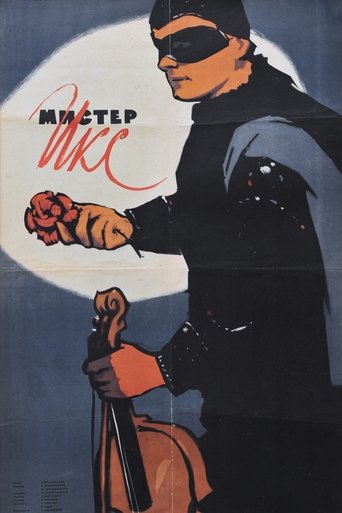
Film
Mister X
May 2, 1958
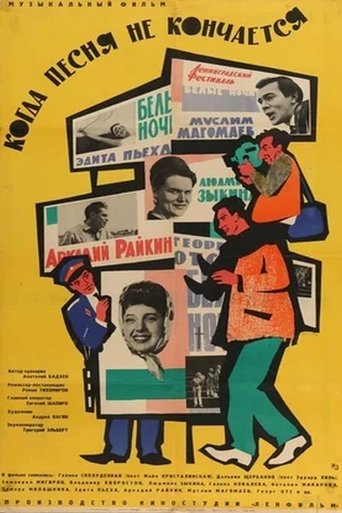
Film
When the Song Does Not End...
Oct 13, 1965
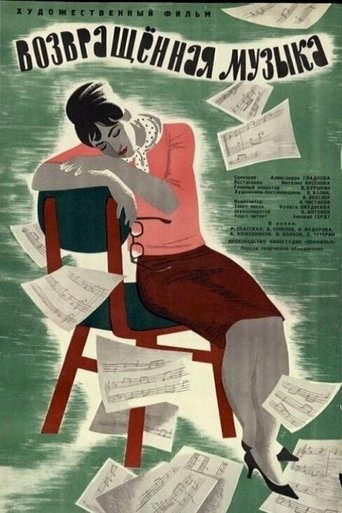
Film
Returned Music
Apr 20, 1965
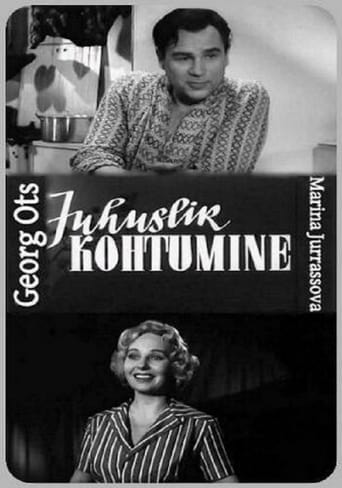
Film
Meeting by Chance
Dec 11, 1961
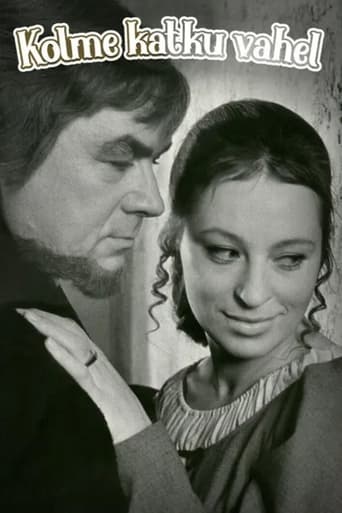
Film
Between Three Plagues
Nov 14, 1970
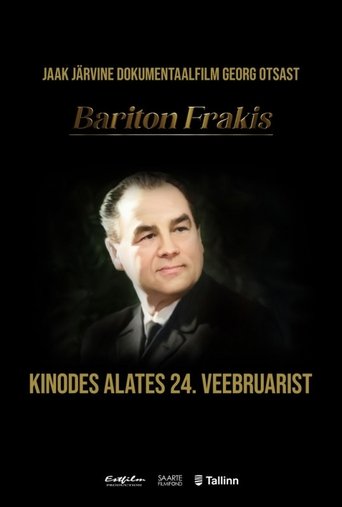
Film
Bariton frakis
Feb 24, 2023
Film
On This Festive Evening
May 1, 1959
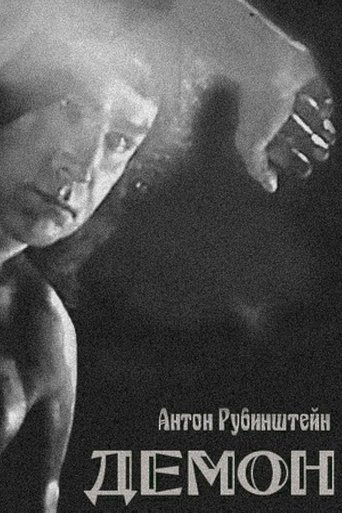
Film
The Demon
Jan 1, 1960
Film
Kui saabub õhtu
Apr 25, 1955
Data provided by TMDB. Not endorsed or certified by TMDB.