Cast & CrewReleased
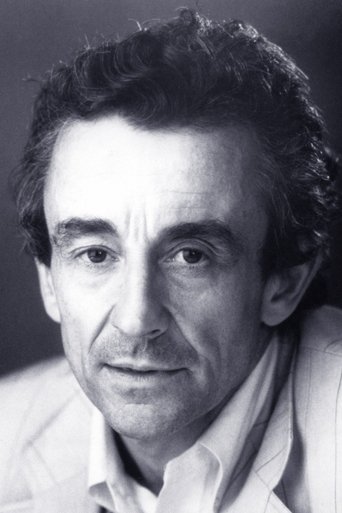
Louis Malle
Get notified when this releases — sign up freeKnown for
Director
From
Thumeries, Nord, France
Born
1932-10-30
Overview
Louis Marie Malle (30 October 1932 – 23 November 1995) was a French film director, screenwriter, and producer. His film "The Silent World" won the Palme d'Or in 1956 and the Academy Award for Best Documentary in 1957, although he was not credited at the ceremony with the award instead being presented to the film's co-director Jacques Cousteau. Later in his career he was nominated multiple times for Academy Awards. Malle is also one of the few directors to have won the Golden Lion multiple times.
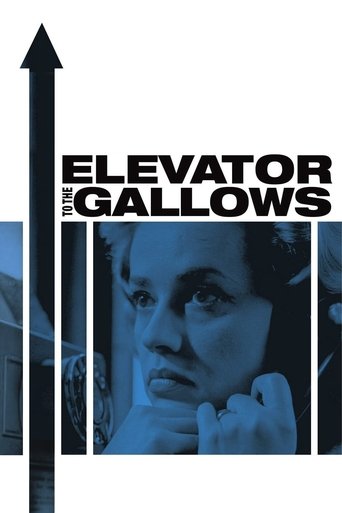
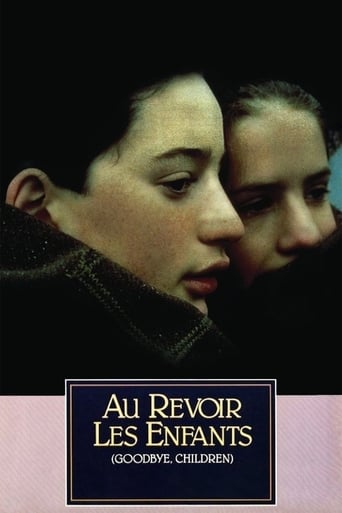
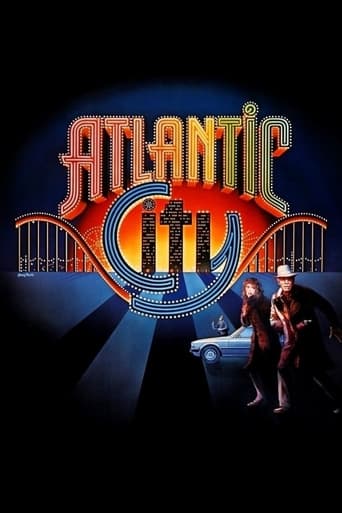
Malle worked in both French cinema and Hollywood, and he produced both French and English language films. His most famous films include the crime film "Elevator to the Gallows" (1958), the World War II drama "Lacombe, Lucien" (1974), the romantic crime film "Atlantic City" (1980), the comedy-drama "My Dinner with Andre" (1981), and the autobiographical film "Au Revoir les Enfants" (1987).
Malle was born into a wealthy industrialist family in Thumeries, Nord, France. He initially studied political science at Sciences Po before turning to film studies at IDHEC instead.
He assisted Robert Bresson on "A Man Escaped" (1956) before making his first feature, "Elevator to the Gallows" (1958), a taut thriller featuring an original score by Miles Davis, which made an international film star of Jeanne Moreau, at the time a leading stage actress of the Comédie-Française. Malle was 24 years old.
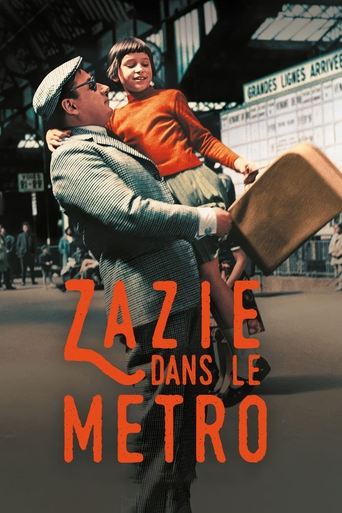
Malle's "The Lovers" (1958), which also starred Moreau, caused major controversy due to its sexual content, leading to a landmark U.S. Supreme Court case regarding the legal definition of obscenity. Malle is sometimes associated with the nouvelle vague movement, and while Malle's work does not directly fit in with or correspond to the auteurist theories that apply to the work of Godard, Truffaut, Chabrol, Rohmer and others, and he had nothing whatsoever to do with the Cahiers du cinéma, his films do exemplify many of the characteristics of the movement, such as using natural light and shooting on location, and his film "Zazie dans le Métro" (1960), an adaptation of the Raymond Queneau novel, inspired Truffaut to write an enthusiastic letter to Malle.
In 1968 Malle visited India and made a seven-part documentary series "Phantom India" (1969), which was released in cinemas. Concentrating on real India, its rituals and festivities, Malle fell afoul of the Indian government, which disliked his portrayal of the country, in its fascination with the pre-modern, and consequently banned the BBC from filming in India for several years. Malle later claimed his documentary on India was his favorite film.
Malle later moved to the United States and continued to direct there. Just as his earlier films such as "The Lovers" helped popularize French films in the United States, "My Dinner with Andre" was at the forefront of the rise of American independent cinema in the 1980s.
Known For
Film
Damage
Dec 2, 1992
Film
Pretty Baby
Apr 5, 1978
TV
Pretty Baby: Brooke Shields
Film
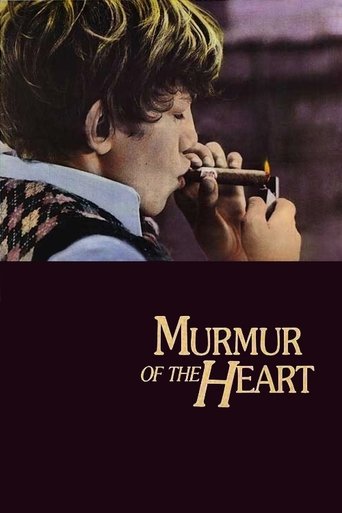
Murmur of the Heart
Apr 27, 1971

Film
Black Moon
Sep 24, 1975
Film
Elevator to the Gallows
Jan 29, 1958
Film
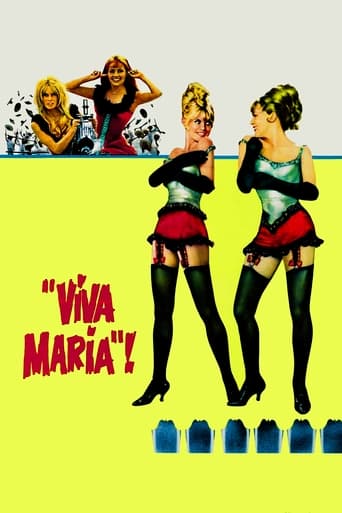
Viva Maria!
Nov 22, 1965
Film
Au Revoir les Enfants
Oct 7, 1987
Film
Zazie dans le Métro
Oct 28, 1960
Film
La Vie de Bohème
Feb 27, 1992
Film
Atlantic City
Sep 3, 1980
Film
Becoming Cousteau
Oct 22, 2021
Film
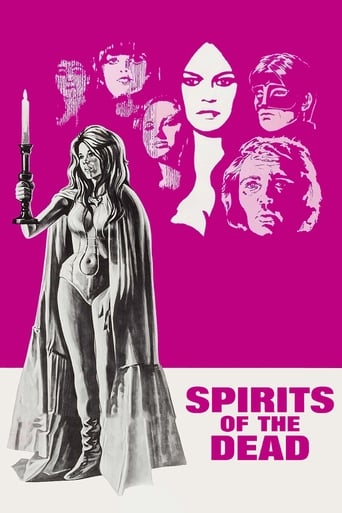
Spirits of the Dead
May 16, 1968

Film
My Dinner with Andre
Oct 11, 1981
Film
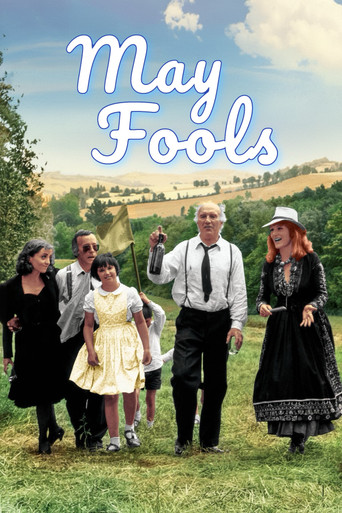
May Fools
Jan 24, 1990
Data provided by TMDB. Not endorsed or certified by TMDB.