Cast & CrewReleased
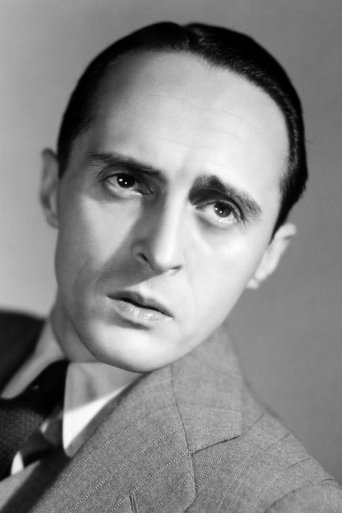
René Clair
Get notified when this releases — sign up freeKnown for
Director
From
Paris, France
Born
1898-11-11
Overview
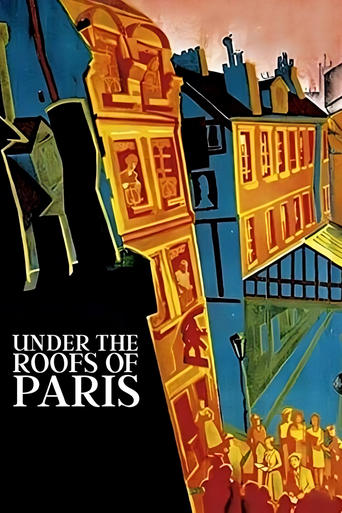
René Clair was a French filmmaker and writer. He first established his reputation in the 1920s as a director of silent films in which comedy was often mingled with fantasy. He went on to make some of the most innovative early sound films in France, before going abroad to work in the UK and USA for more than a decade. Returning to France after World War II, he continued to make films that were characterised by their elegance and wit, often presenting a nostalgic view of French life in earlier years. He was elected to the Académie française in 1960. Clair's best known films include The Italian Straw Hat (1928), Under the Roofs of Paris (1930), Le Million (1931), À nous la liberté (1931), I Married a Witch (1942), and And Then There Were None (1945).
In 1924, while Clair was working on Ciné-sketch for the theatre with France Picabia, he first met a young actress, Bronja Perlmutter, who subsequently appeared in his film Le Voyage imaginaire (1926) premiered at the newly opened Studio des Ursulines. They married in 1926, and their son, Jean-François, was born in 1927.
René Clair died at home on 15 March 1981, and he was buried privately at Saint-Germain-l'Auxerrois.
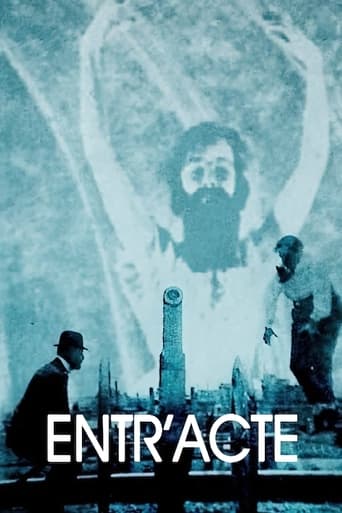
Clair's reputation as a film-maker underwent a considerable reevaluation during the course of his own lifetime: in the 1930s he was widely seen as one of France's greatest directors, alongside Renoir and Carné, but thereafter his work's artifice and detachment from the realities of life fell increasingly from favour. The avant-gardism of his first films, and especially Entr'acte, had given him a temporary notoriety, and a grounding in surrealism continued to underlie much of his comedy work. It was however the imaginative manner in which he overcame his initial scepticism about the arrival of sound which established his originality, and his first four sound films brought him international fame.
Clair's years of working in the UK and USA made him still more widely known but did not show any marked development in his style or thematic concerns. It was in the post-war films that he made on his return to France that some critics have observed a new maturity and emotional depth, accompanied by a prevailing sense of melancholy but still framed by the elegance and wit that characterised his earlier work.
However, in the 1950s the critics who heralded the arrival of the French New Wave, especially those associated with Cahiers du Cinéma, found Clair's work old-fashioned and academic. The paradox of Clair's reputation has been further heightened by those commentators who have seen François Truffaut as the French cinema's true successor to Clair, notwithstanding the occasions of their mutual disdain.
Known For
Film
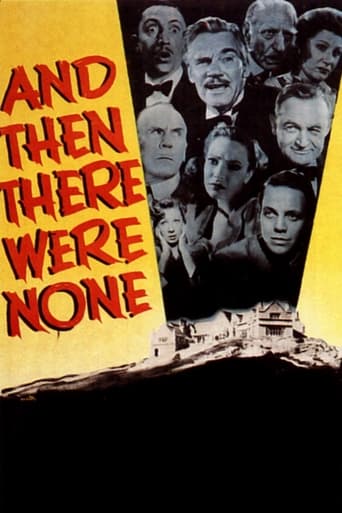
And Then There Were None
Oct 31, 1945
Film
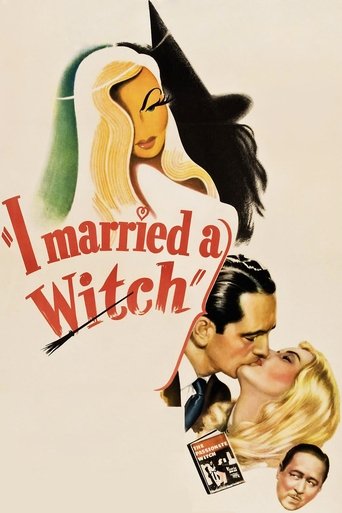
I Married a Witch
Oct 30, 1942
Film
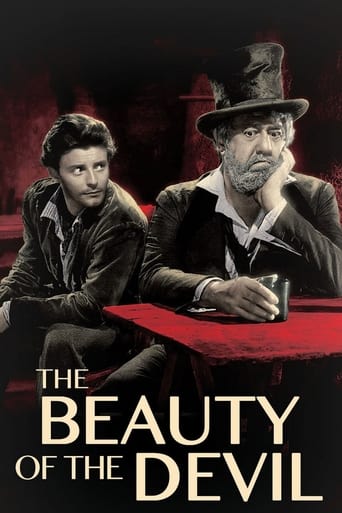
The Beauty of the Devil
Mar 16, 1950
Film
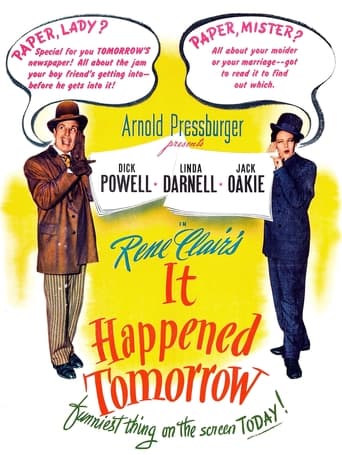
It Happened Tomorrow
Mar 31, 1944
Film
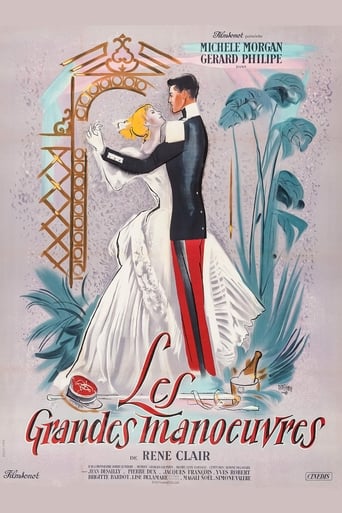
The Grand Manoeuvre
Oct 26, 1955
Film
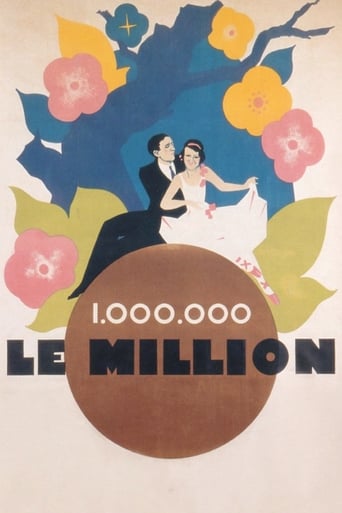
Le Million
Feb 4, 1931
Film
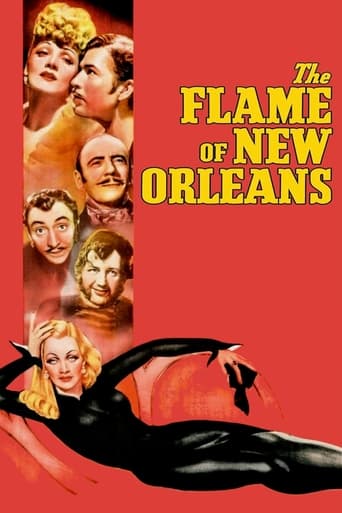
The Flame of New Orleans
Jul 7, 1941
Film
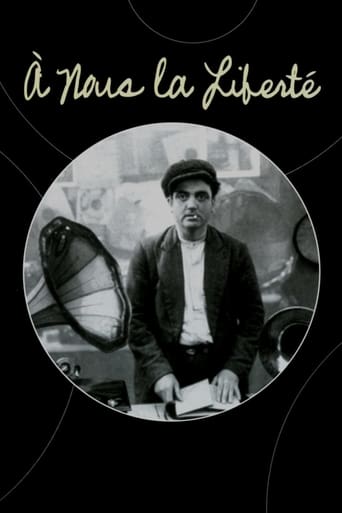
À Nous la Liberté
Dec 18, 1931
Film
Entr'acte
Dec 4, 1924
Film
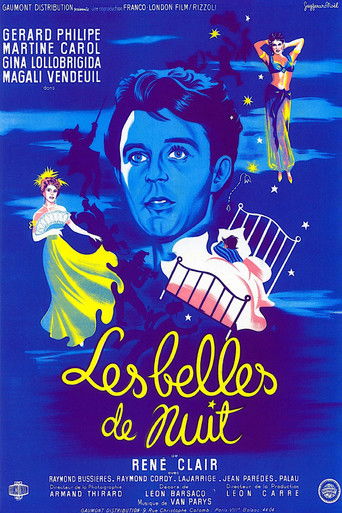
Beauties of the Night
Nov 14, 1952
Film
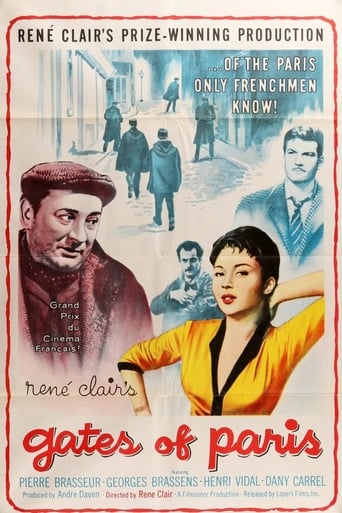
The Gates of Paris
Sep 27, 1957
Film
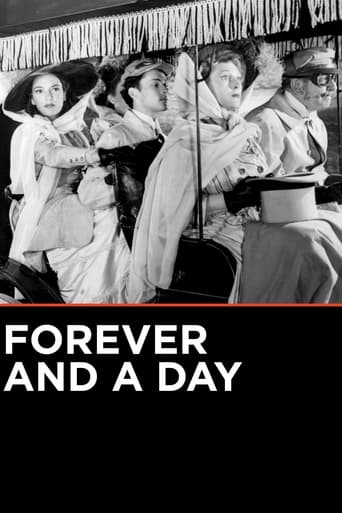
Forever and a Day
Jan 21, 1943
Film
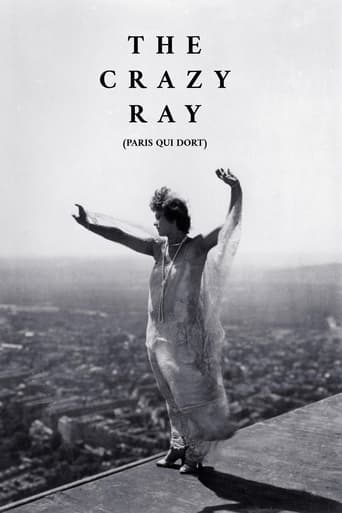
The Crazy Ray
Jan 1, 1925
Film
Under the Roofs of Paris
Apr 28, 1930

Film
Silence Is Golden
May 21, 1947
Data provided by TMDB. Not endorsed or certified by TMDB.