Cast & CrewReleased
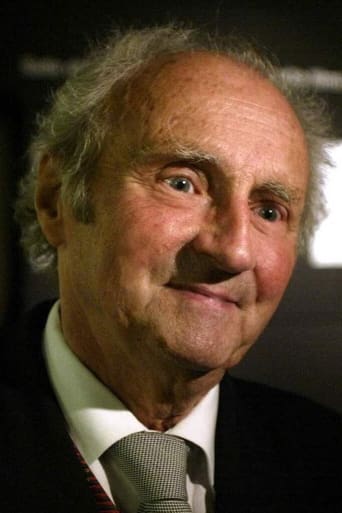
André Delvaux
Get notified when this releases — sign up freeKnown for
Director
From
Heverlee, Brabant, Belgium
Born
1926-03-21
Overview
André Albert Auguste Delvaux (21 March 1926 – 4 October 2002) was a Belgian film director. He co-founded the film school INSAS in 1962 and is regarded as the founder of the Belgian national cinema. Adapting works by writers such as Johan Daisne, Julien Gracq and Marguerite Yourcenar, he received international attention for directing magic realist films.
Delvaux received the Louis Delluc Prize for Rendezvous at Bray (1971) and the André Cavens Award for Woman Between Wolf and Dog (1979) and The Abyss (1988). The king of Belgium made him a baron in 1996. The Académie André Delvaux is named after him and he posthumously received the first Honorary Magritte Award in 2011.
André Albert Auguste Delvaux was born in Heverlee, Belgium, on 21 March 1926. He studied piano at the Royal Conservatory of Brussels and worked as a silent film pianist at the Belgian cinématheque in his early 20s. He studied law and took a degree in German philology at the Free University of Brussels, after which he worked as a teacher.
Delvaux's filmmaking career started in 1954 when he began to make television documentaries about film directors for the broadcaster RTB. Notably, he made a four-part series about Federico Fellini in 1960. In 1959 he co-directed a short fiction film with Jean Brismée, La Planète fauve. In 1962 he co-founded the film school INSAS in Brussels and became the director of its directing department. From that point cinema was his primary occupation.
Delvaux's first two feature films were based on books by Johan Daisne.
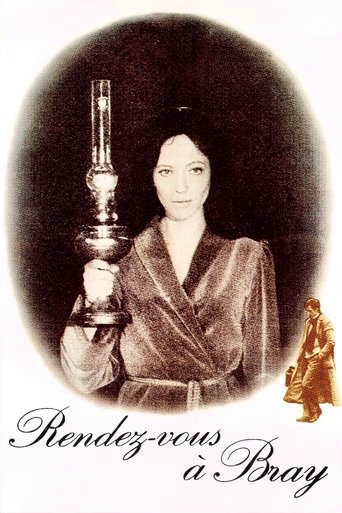
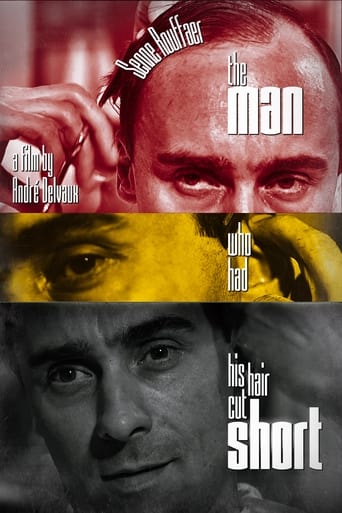
Delvaux received international attention for his first feature film, The Man Who Had His Hair Cut Short (1965), which is based on Johan Daisne's novel with the same title. It was followed by another Daisne adaptation, One Night... A Train, in 1968. His first colour film, it shares several elements with the previous film: an uncomfortable teacher, a tragic ending and a confrontation between love and death. Rendezvous at Bray (1971), loosely based Julien Gracq's novella King Cophetua, is set during World War I and places great emphasis on atmosphere. The film stars Mathieu Carrière, Roger Van Hool, Bulle Ogier and Anna Karina, and became a turning point in Delvaux's career, because its critical success allowed him to choose his subjects more freely.
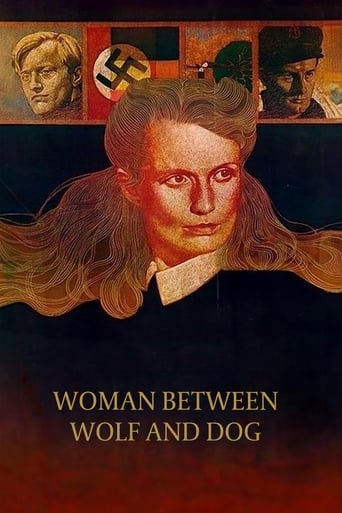
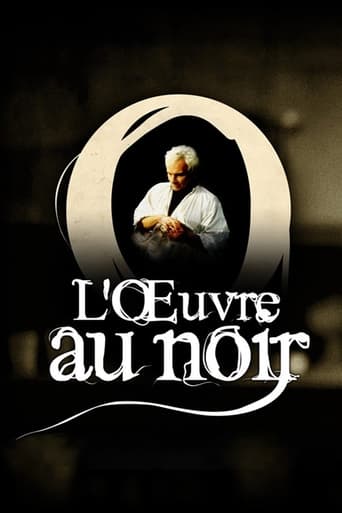
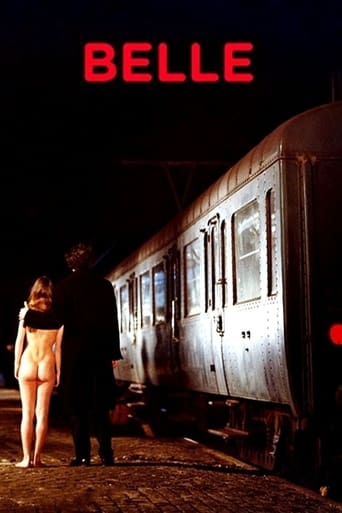
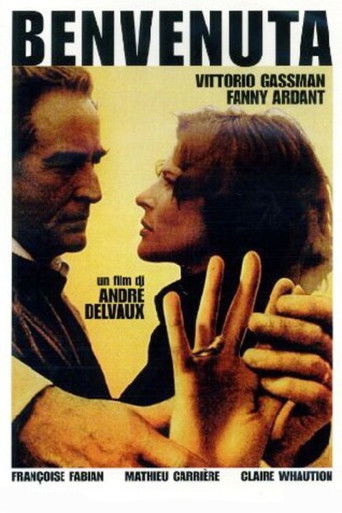
Belle (1973) is about an affair with a mistress who may or may not be imaginary. Woman Between Wolf and Dog (1979), set in German-occupied Flanders during World War II, is among Delvaux's more realist films. It is about a woman who is torn between the Belgian Resistance and her collaborationist husband. The painterly Benvenuta (1983), based on Suzanne Lilar's book La Confession anonyme, plays with reality and imagination through a story about a screenwriter who adapts a novel for film. Delvaux's last feature film was his largest project, The Abyss (1988). The film is an episodic drama set in 16th-century Europe and based on a book by Marguerite Yourcenar. Like Belle and Woman Between Wolf and Dog before it, The Abyss played in the main competition of the Cannes Film Festival. Delvaux's final short film, 1001 films, was shown as a special screening at the 1989 Cannes Film Festival. ...
Source: Article "André Delvaux" from Wikipedia in English, licensed under CC-BY-SA 3.0.
Known For
Film
Woman Between Wolf and Dog
Jun 4, 1979
Film
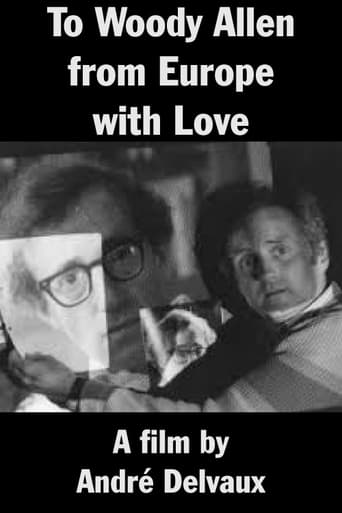
To Woody Allen from Europe with Love
Jan 12, 1980
Film
Appointment in Bray
Dec 22, 1971

Film
One Night... a Train
Sep 6, 1968
Film
The Abyss
May 13, 1988
Film
Belle
Jan 17, 1973
Film
Benvenuta
Sep 7, 1983

Film
Between Heaven and Earth
May 26, 1992
Film
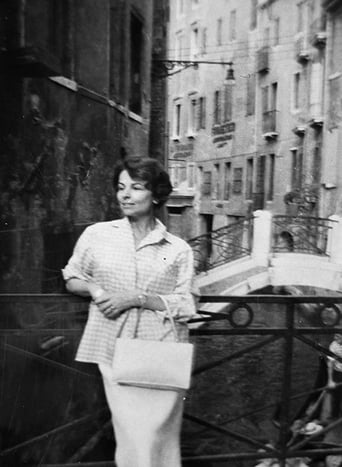
Mag Bodard, un destin
Oct 1, 2005
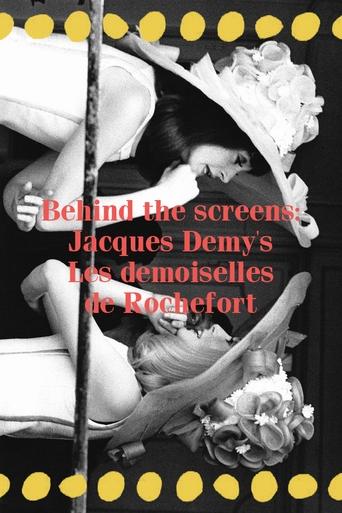
Film
Behind the screens : Les demoiselles de Rochefort
Jan 1, 1966
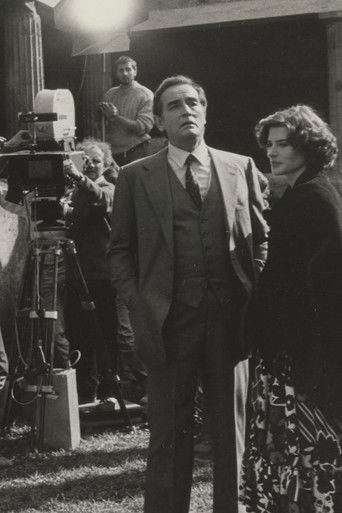
Film
André Delvaux directs Benvenuta
Jan 1, 1983
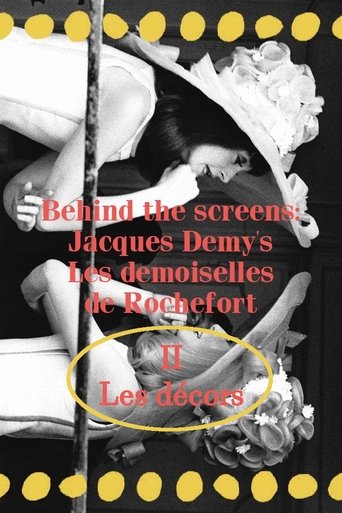
Film
Behind the screens : Jacques Demy’s Les demoiselles de Rochefort - Les décors
Jan 1, 1966
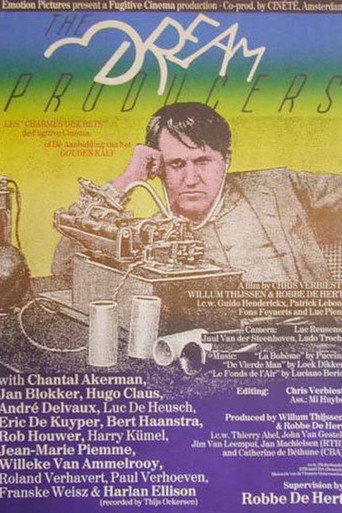
Film
De droomproducenten
Jan 1, 1984
Film
The Man Who Had His Hair Cut Short
Sep 5, 1966
TV
Fellini on “Second Look”
Data provided by TMDB. Not endorsed or certified by TMDB.